

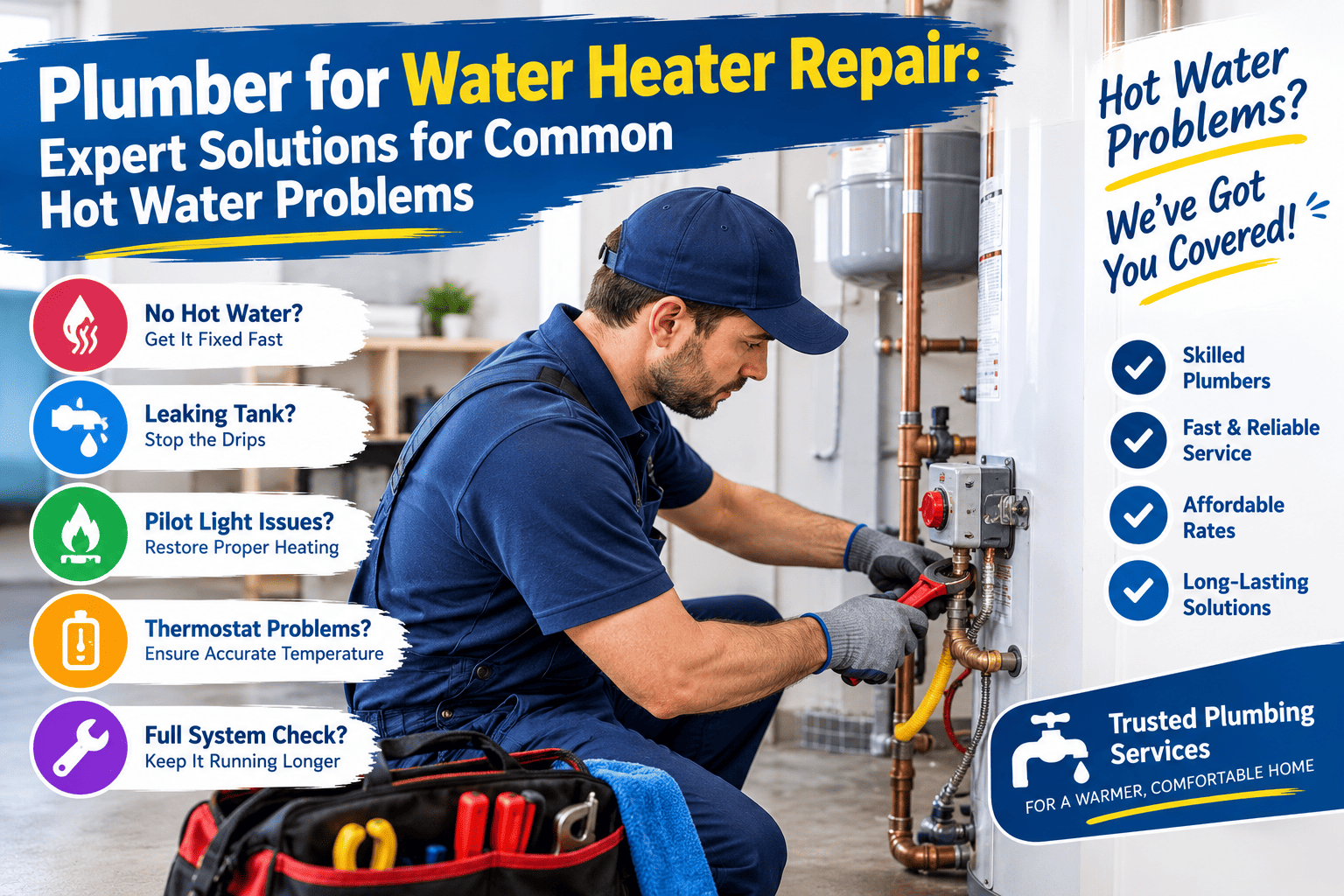
A plumber for water heater repair can diagnose and resolve problems such as leaking tanks, inconsistent water temperatures, unusual noises, low hot-water supply, faulty valves, and damaged plumbing connections. Depending on the issue, the solution may involve repairing a component, cleaning mineral deposits, or replacing an aging unit. Professional inspection helps restore reliable hot water while reducing the risk of water damage and recurring breakdowns.
Introduction
A reliable water heater is essential for everyday comfort. From taking a warm shower to washing dishes and cleaning household items, people depend on a consistent supply of hot water. When the system stops working correctly, even a minor fault can disrupt daily routines. Problems such as cold water, unexpected leaks, unusual sounds, or fluctuating temperatures may indicate that the appliance needs professional attention.
Finding a qualified plumber for water heater repair is an effective way to identify the source of these problems and determine the most appropriate solution. Water heaters combine plumbing connections, heating components, temperature controls, and safety devices, so an accurate diagnosis is important. Rather than replacing the entire appliance immediately, a professional can assess whether a repair is practical or whether a new unit would provide better long-term value.
This guide explains common water heater problems, the repair services available, factors affecting repair costs, and the maintenance practices that can help keep a hot water system operating reliably.
Why Professional Water Heater Repair Matters
Water heaters operate under different conditions depending on their design. Traditional storage tanks heat and store water, while tankless models heat water as it flows through the unit. Electric systems use heating elements, whereas gas-powered models rely on a burner and associated controls. Heat-pump water heaters use a different process to transfer heat.
Because these systems have different components, the same symptom can have several possible causes. For example, insufficient hot water might result from a faulty thermostat, a damaged heating element, excessive household demand, mineral buildup, or a problem with the incoming energy supply.
A professional plumber or appropriately qualified water heater technician can inspect the system, identify the underlying fault, and recommend a suitable repair. Depending on the equipment, specialized electrical or gas work may require a separately qualified professional.
Professional servicing can also help identify developing problems before they cause more extensive damage. This is particularly important when an appliance has visible corrosion, recurring leaks, or repeated heating failures.
Common Water Heater Problems That Require Repair
1. No Hot Water
One of the most frustrating water heater problems is receiving only cold water from the taps. The possible causes depend on the type of appliance.
In an electric water heater, the problem may involve the power supply, thermostat, heating element, or internal controls. A gas-powered unit may have an ignition problem, a burner fault, or an interruption in its fuel supply. Tankless systems can also stop heating because of an error condition or a problem with water flow.
A qualified technician can examine the relevant components and determine why the system is not producing hot water. Homeowners should avoid opening electrical compartments or attempting to repair gas components themselves.
2. Water Heater Leaks
Leaks should never be ignored because even a small amount of water can damage flooring, walls, cabinets, and nearby belongings. Water may escape from a plumbing connection, drain valve, pressure-relief valve, or another component.
The location of the leak can help a plumber narrow down the cause. For example, a leaking connection may be repairable, while water escaping from a corroded storage tank may indicate that the appliance needs replacement.
If water is collecting around the unit, arrange a professional inspection promptly. If it is safe to do so, stop using the appliance and follow the manufacturer’s shutdown instructions. Do not touch wet electrical equipment.
3. Inconsistent Water Temperature
Water that changes unexpectedly from hot to lukewarm can make showers and other household activities uncomfortable. This issue may be related to a faulty thermostat, a heating component that is no longer operating correctly, sediment accumulation, or a system that cannot meet the household’s hot-water demand.
A plumber can evaluate the heating system, check its controls, and determine whether the temperature problem originates inside the appliance or elsewhere in the plumbing network.
The recommended temperature setting should follow the manufacturer’s instructions and account for scald prevention and local safety requirements.
4. Strange Noises During Heating
Rumbling, popping, banging, or other unusual sounds may indicate sediment or mineral deposits inside a storage water heater. As these deposits accumulate, they can interfere with heat transfer and contribute to reduced efficiency.
Tankless units may also develop noise or performance problems associated with scale buildup or restricted water flow.
A technician can inspect the equipment and determine whether cleaning, descaling, component repair, or another service is appropriate. Persistent or suddenly worsening noises deserve attention, particularly when accompanied by leaks or changes in heating performance.
5. Rust-Colored Water or Corrosion
Discolored hot water can be associated with corrosion inside a water heater, deteriorating plumbing pipes, or other issues in the water supply. The source should be identified before deciding what to repair.
A professional can inspect the tank, connections, and relevant pipework to determine whether the problem is isolated to the appliance.
If the storage tank itself has corroded through, replacing a valve or external fitting will not solve the underlying problem. In that situation, a replacement water heater may be the more practical option.
What Services Does a Water Heater Repair Plumber Provide?
Water heater repair involves more than restoring heat. Depending on the appliance and the fault, professional services may include the following.
System inspection and diagnosis: The technician checks the appliance’s condition, identifies symptoms, and evaluates possible causes before recommending work.
Heating component repair: Electric water heaters may require attention to heating elements, thermostats, or related controls. Gas and tankless models may need specialized diagnostic work.
Leak detection and plumbing repairs: A plumber can inspect supply connections, fittings, valves, and discharge piping to locate leaks and determine the correct repair.
Sediment and scale management: Depending on the model and water conditions, maintenance may involve flushing a storage tank or descaling a tankless system according to manufacturer instructions.
Safety component inspection: Temperature-and-pressure relief devices and other protective components may need professional inspection or replacement when defective.
Repair or replacement assessment: If a unit has repeated failures, significant corrosion, or an expensive component problem, the technician can explain whether repair or replacement is the more sensible investment.
The exact services available depend on the technician’s qualifications and the type of water heater installed.
How to Choose the Right Plumber for Water Heater Repair
Choosing a repair professional carefully can help prevent unnecessary expenses and repeated breakdowns.
Check Relevant Experience
Look for a plumber or technician who regularly services your specific water heater type. A professional experienced with conventional electric tanks may not automatically have the same expertise with tankless or heat-pump systems.
Verify Qualifications
Check applicable licenses, certifications, insurance, and local requirements. Gas-related and electrical work may require additional qualifications beyond general plumbing experience.
Request a Clear Diagnosis
A dependable professional should explain the suspected problem, the proposed repair, and any alternatives. Ask whether the quoted work includes labor, replacement parts, testing, and applicable service fees.
Compare Written Estimates
If the problem is not an immediate safety emergency, comparing estimates from qualified professionals can help you understand the likely expense. Be cautious of unusually low quotes that do not clearly describe the work or parts included.
Ask About Parts and Warranties
Confirm whether replacement components are compatible with your model and whether the repair includes a parts or workmanship warranty. Review the manufacturer’s warranty before authorizing work that could affect coverage.
Evaluate Communication and Availability
A professional should explain what will happen during the appointment, provide a realistic service window, and tell you whether replacement parts must be ordered. Clear communication is particularly valuable when the household has no hot water.
What Affects Water Heater Repair Costs?
The price of a repair depends on several factors, so a single estimate cannot accurately cover every household or appliance.
Type of water heater: Tankless, electric, gas, and heat-pump models have different components and diagnostic requirements.
Nature of the fault: A minor plumbing connection repair may cost substantially less than replacing a major internal component.
Parts availability: Specialized components, older models, and products with limited local availability can affect the final price.
Labor and emergency service: Repair rates vary by location, service provider, appointment time, and the complexity of the work.
Age and overall condition: A unit with several worn components may require more work than a relatively new appliance with one isolated fault.
Before approving the repair, request an itemized estimate that separates diagnosis, labor, parts, and any additional charges. If the appliance has recurring problems, compare the total repair expense with the cost of installing a suitable replacement.
Should You Repair or Replace Your Water Heater?
Deciding between repair and replacement requires looking at the appliance’s age, condition, reliability, and repair history.
Repair may make sense when the water heater is relatively young, the tank remains in good condition, and the problem involves a replaceable component. Fixing a limited fault can restore performance without the expense of installing a new system.
Replacement deserves consideration when the tank is leaking because of corrosion, the unit has repeated breakdowns, replacement parts are difficult to obtain, or repair costs are becoming substantial. Traditional tank water heaters commonly have a shorter service life than well-maintained tankless models, although actual lifespan depends on water quality, usage, maintenance, installation, and equipment design.
A useful approach is to compare the written repair estimate with the installed cost of a suitable new unit. Consider expected reliability, energy consumption, warranty coverage, and future maintenance rather than relying on age alone.
A professional assessment can help you avoid spending money on repeated repairs when the appliance is approaching the end of its useful life.
Water Heater Maintenance Tips to Prevent Future Problems
Routine maintenance can help identify developing faults and maintain reliable performance. The correct schedule depends on the appliance model, local water conditions, and manufacturer recommendations.
Inspect for Leaks and Corrosion
Periodically look for moisture around the unit, damaged connections, rust, or signs of deterioration. Report persistent moisture or corrosion to a qualified professional instead of assuming it is harmless condensation.
Address Mineral Buildup
Hard water can contribute to mineral deposits inside tanks and tankless heat exchangers. Follow the manufacturer’s recommendations for flushing or descaling, and arrange professional servicing when the procedure requires specialized equipment.
Arrange Periodic Professional Servicing
An annual inspection is a useful maintenance starting point for many households, although the appropriate frequency varies by system and local conditions. Ask the technician to review heating performance, connections, controls, and relevant safety devices.
Follow Temperature Recommendations
Use the temperature settings recommended for your equipment and household circumstances. Excessively hot water increases the risk of scalding, particularly for children and other vulnerable household members.
Keep Service Records
Record the installation date, previous repairs, maintenance visits, and replacement parts. This information helps a technician identify recurring faults and assess whether replacement may be approaching.
Investigate Changes Promptly
Reduced hot-water capacity, rising energy consumption, unusual noises, or repeated error codes may indicate a developing problem. Early assessment can sometimes prevent a minor fault from becoming a larger repair.
Water Heater Safety: When to Call for Urgent Help
Some warning signs require immediate attention rather than routine troubleshooting.
If you smell gas, leave the affected area and contact your local gas emergency service from a safe location. Do not operate electrical switches, create flames, or attempt to find the leak yourself.
If water is leaking near electrical components, keep away from the wet area and do not touch the appliance. Have the power isolated by a qualified person when it is safe to do so.
A malfunctioning temperature-and-pressure relief valve also requires professional attention. Never block, cap, or disable this safety device. It is designed to release excessive pressure or temperature under specified conditions.
For substantial leaks, a damaged tank, burning smells, repeated electrical breaker trips, or signs of overheating, stop using the system when safe and seek qualified assistance.
Safety should always take priority over restoring hot water quickly.
Benefits of Hiring a Professional Water Heater Technician
Professional repair offers several practical advantages. First, accurate diagnosis helps distinguish a defective component from a wider plumbing or supply problem. This can reduce the chance of paying for a repair that does not address the actual cause.
Second, qualified technicians understand the safety requirements associated with hot water, pressurized equipment, electrical components, and gas-powered appliances. They can also check whether the completed work follows manufacturer instructions and applicable local regulations.
Third, a professional can help you plan future maintenance. If your appliance is aging or becoming less reliable, an informed repair-versus-replacement assessment can make budgeting easier.
Most importantly, professional servicing helps restore dependable hot-water performance while addressing the fault rather than simply treating its symptoms.
Conclusion
A malfunctioning water heater can interrupt everyday routines and create concerns about leaks, energy use, and household safety. Understanding the warning signs makes it easier to arrange the right service before a minor problem becomes more serious.
Hiring a qualified plumber for water heater repair can help identify the cause of cold water, temperature fluctuations, unusual noises, plumbing leaks, and other performance issues. The best solution depends on the appliance’s design, the condition of its components, and the cost of the required work.
By comparing clear estimates, checking professional qualifications, following manufacturer maintenance guidance, and addressing warning signs promptly, homeowners can make more informed decisions about repairing or replacing their water heaters.
Frequently Asked Questions
1. When should I call a plumber for water heater repair?
Call a qualified professional when you have persistent problems with hot water, visible leaks, unusual noises, discolored water, repeated error codes, or inconsistent temperatures. Gas odors, electrical hazards, and serious leaks require urgent attention.
2. Can a plumber repair a water heater that is not producing hot water?
Yes. Depending on the cause, a qualified professional may repair a faulty thermostat, heating element, burner-related component, control system, or plumbing connection. The correct solution requires diagnosis of the particular appliance.
3. Is repairing a water heater cheaper than replacing it?
Repair is often less expensive when the problem involves one replaceable component and the rest of the appliance remains in good condition. Replacement may offer better long-term value when the tank is corroded, failures are recurring, or the repair cost is high relative to a new unit.
4. How often should a water heater receive maintenance?
Many households can use annual professional servicing as a starting point, but the correct schedule depends on the model, water quality, usage, and manufacturer’s guidance. Hard-water conditions may require more frequent attention to mineral buildup.
5. What should I check before booking a water heater repair?
Note the symptoms, when they began, the appliance’s brand and model, its approximate age, and any recent repairs. Photograph visible leaks or error displays if you can do so safely. Share this information with the service provider to help prepare for the appointment.